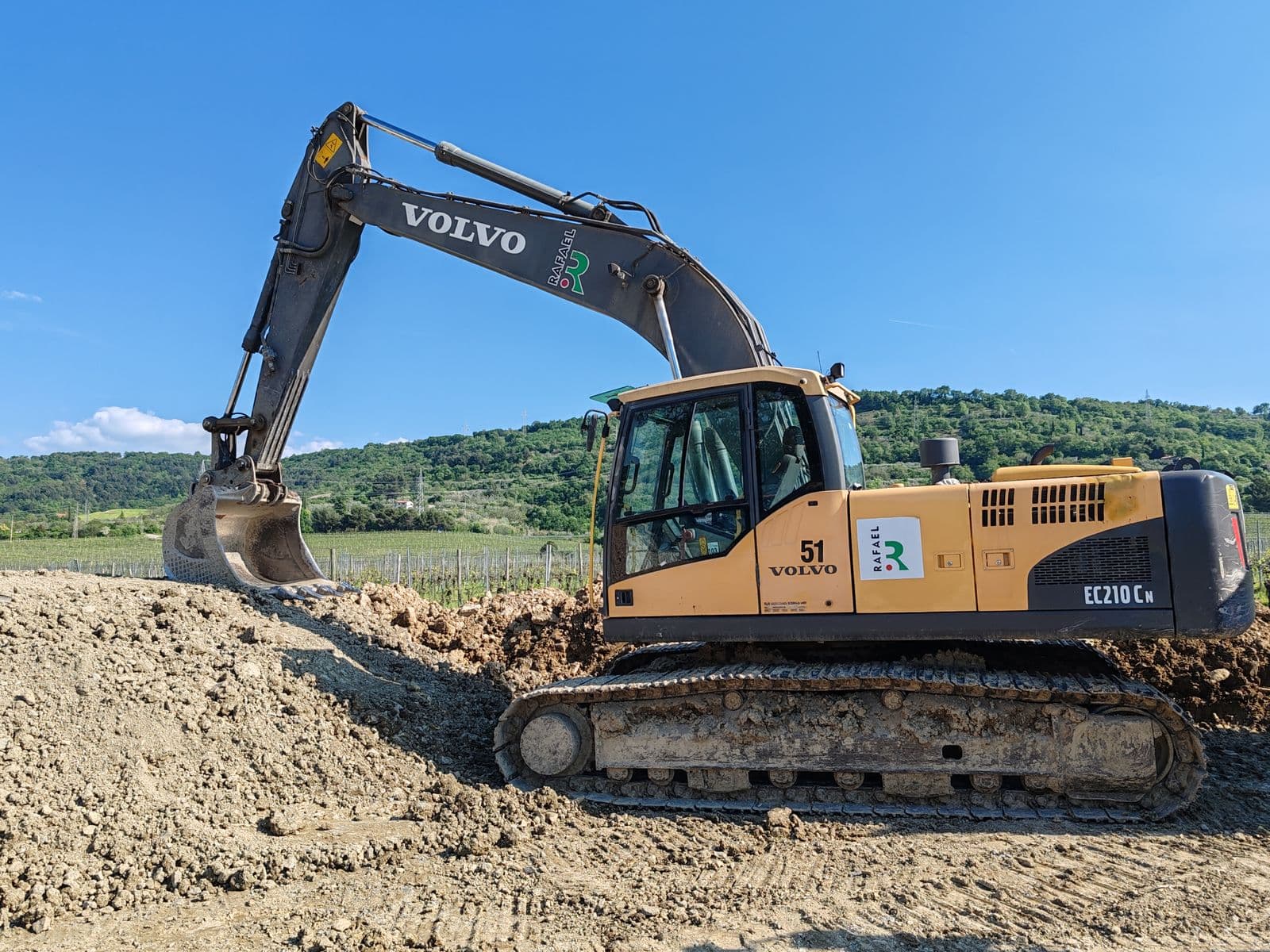
Hydraulic Excavator Specifications
The figures below describe typical industry specifications for this class of equipment rather than a single fixed model. Use them to scope a requirement, then confirm exact figures against the supplied unit before purchase.
| Specification | Typical value |
|---|---|
| Common operating weights | 13–40 t for mine and construction duty |
| Bucket capacity | 0.5–2.2 m³ depending on class and material |
| Engine power | 70–250 kW |
| Max digging reach | 8–12 m on mid-size machines |
| Max digging depth | 5–8 m |
| Tail swing | Standard or reduced (short-tail) for tight pits |
| Undercarriage | Steel tracks; tropical and heavy-duty shoes available |
| Fuel consumption | 12–35 L/h depending on class and load |
| Attachments | GP bucket, rock bucket, breaker, ripper, grab |
| Typical truck match | 3–5 bucket passes to fill the paired dump truck |
| Ground pressure | 40–70 kPa on standard shoes |
| Cab | ROPS/FOPS, air-conditioned for Tanzanian ambient |
What a Hydraulic Excavator Is Used For
- Loading blasted ore and waste into dump trucks
- Pit, trench and foundation excavation
- Alluvial stripping and gravel loading
- Breaker duty on oversize rock
- Road and pad construction on mine sites
Maintenance Schedule
Most premature failures in this equipment class trace back to a missed routine check rather than a design fault. The intervals below are a practical starting schedule; adjust them to your duty cycle and the manufacturer manual.
| Interval | Task |
|---|---|
| Every shift | Walk-around: tracks, pins, bucket teeth, leaks and hydraulic hoses; check engine oil, coolant and fuel-water separator. |
| Daily | Grease boom, stick and bucket pins; clean radiator and cooler cores of dust. |
| 250 h | Engine oil and filter; inspect track tension and undercarriage wear. |
| 500 h | Hydraulic return filter and fuel filters; sample hydraulic oil if a lab is available. |
| 2,000 h | Hydraulic oil change; inspect swing bearing and final drives. |
Frequently Asked Questions
What size excavator do I need for a small gold mine?
A 20-tonne class machine with a 0.9–1.2 m³ rock bucket covers most Tanzanian small pits and civil work. Size it to the trucks: three to five passes to fill is the efficient band. A 13-tonne machine is cheaper but cycles too many times into a 20-tonne truck; a 35-tonne machine sitting idle on a 10-truck-a-day pit wastes fuel.
Tracks or wheels?
Tracks, for almost all mining and rough-site construction. Wheeled excavators move faster on sealed roads and suit municipal work, but they have less stability, less digging force and poor traction in pit mud. Tanzanian gold sites are tracked territory.
How much diesel does an excavator burn?
A 20-tonne machine working productively uses roughly 14–22 litres per hour. Idle time is the silent cost: a machine waiting on trucks can burn a third of that for no tonnes. Fuel per cubic metre loaded is the figure to track, not hours alone.
Can I run a hydraulic breaker on a standard excavator?
Yes if the auxiliary hydraulic circuit is specified and the breaker is sized to the carrier. An oversized breaker cracks booms; an undersized one just rattles. Confirm flow, pressure and a case-drain line before buying the attachment, and budget extra pin and bush wear.
Supply and Delivery Across Tanzania
Bart Mining supplies hydraulic excavator and related equipment to mining operations throughout Tanzania, with primary coverage of the Lake Victoria Goldfields (Mwanza, Kahama, Geita, Shinyanga and Bukombe), alongside the Lupa Goldfields around Chunya and Mbeya, and delivery nationwide from Dar es Salaam.
Commonly supplied to: Mwanza, Geita.
Request a quotation
Need a hydraulic excavator specified for your site?
Tell us your duty, depth or throughput and available power supply. We will come back with a specification and price, and flag anything on site that needs to change to make it work.