What Vat Leaching Is
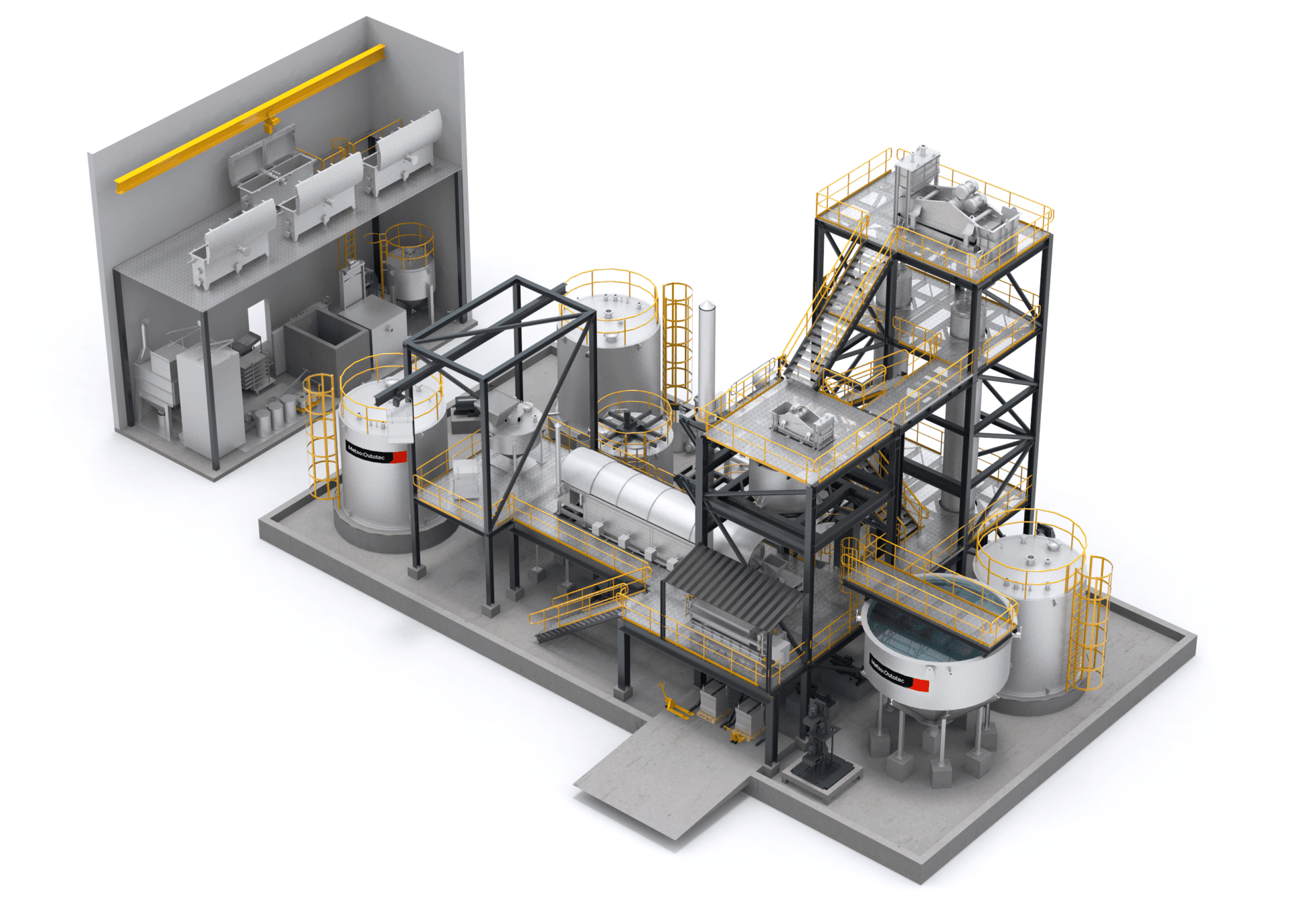
Vat leaching is the most common way small-scale miners in Tanzania recover gold that mercury amalgamation left behind. Tailings, known locally as marudio, are loaded into large tanks or lined concrete vats. Cyanide solution is passed through the material, dissolving the gold, and the gold is then captured on activated carbon or zinc. In Geita, Chunya, Mara and across the Lake Victoria Goldfields, vat leach sites are often a separate business from the mining itself, buying or processing tailings from many miners.
Amalgamation typically recovers only part of the gold, so the tailings can still carry enough to be worth leaching. Research in northern Tanzania documents how widespread the practice has become.
How a Vat Leach Site Works
- Test the tailings. Assay a representative sample and run a bottle roll leach. Some marudio are rich, many are not, and old tailings may already have been leached
- Prepare the material. Remove oversize and debris, and where it is too fine or clayey, agglomerate or mix it so solution can flow through
- Load the vat on a drainage layer and filter cloth at the bottom so solution drains evenly
- Raise pH with lime to 10.5 or above before any cyanide is added
- Leach. Cyanide solution is added and circulated or flooded through the material over several days
- Capture the gold. Pregnant solution drains to carbon columns, or carbon is placed in the solution circuit, where it loads gold
- Recover the gold by stripping the carbon in an elution and electrowinning plant, owned or tolled, then smelting
- Wash and neutralise the leached residue, then place it in a lined tailings facility
Vat Leach or Tank Leach
| Vat leaching | Agitated tank leaching (CIL/CIP) | |
|---|---|---|
| Material | Sandy tailings and coarse material | Finely ground ore and tailings |
| Leach time | Several days per batch | 18 to 36 hours, continuous |
| Recovery | Lower and more variable | Higher, commonly 88 to 95 percent on suitable ore |
| Capital | Low | Higher: mill, agitators, screens, tanks |
| Power | Pumps only | Mill and agitators, much higher |
| Best for | Starting out, lower-grade marudio, off-grid sites | Steady feed, higher grade, operations ready to scale |
Many operators start with vats and move to a small tank plant once they have steady feed and know their material. Regrinding tailings and leaching them in agitated tanks often recovers gold that vats cannot reach, because fine gold locked in particles only dissolves after grinding.
Equipment for a Vat Leach Site
- Vats or tanks, concrete, steel or HDPE-lined, sized to your batch
- Liners under and around every vat and solution pond
- Solution pumps that handle cyanide solution, with spares
- Carbon columns for gold adsorption
- Solution tanks for barren and pregnant solution
- Loader or conveyors for moving tailings at larger sites
- Test kit for pH and free cyanide, used every day
- Safety equipment: HCN detectors, gloves, eye protection, emergency shower and eyewash, and a cyanide first aid kit
Where Vat Leach Sites Go Wrong
- Leaching without testing, then discovering after a full batch that the material was barren or already leached
- Low pH, which wastes cyanide and releases poisonous HCN gas
- Clay-rich material that will not drain, so the solution sits on top and never reaches the gold
- Unlined vats and ponds, which lose gold-bearing solution into the ground and contaminate water
- Mercury in old tailings. Mercury from amalgamation can form soluble compounds in cyanide solution, contaminating the product and exposing workers. It needs to be managed, not ignored
- Carbon that is never stripped or regenerated, so gold sits in inventory instead of being sold
Permits and Inspections
A vat leach site is a cyanide processing facility. It needs a licence for the processing activity, environmental approval, lined containment and a compliant tailings facility, and cyanide bought and stored under permit. The Mining Commission's 2026 inspections of small-scale projects gave operators with deficient environmental and mining plans a short window to comply. Sites that already have their documents in order keep running.
Regions We Serve
Frequently Asked Questions
What is marudio?
Marudio is the Swahili term miners use for tailings that are processed again. Most often it means tailings left after mercury amalgamation, which still contain gold that cyanide leaching can recover.
How much gold can vat leaching recover from tailings?
It depends entirely on the material. Coarse, sandy tailings with free gold leach well; clay-rich or sulphide-bearing tailings leach poorly. A bottle roll test on a representative sample gives a realistic number before you commit a batch.
Is vat leaching legal in Tanzania?
Yes, when it is licensed, environmentally approved and uses cyanide bought, stored and handled under permit, with lined vats and a compliant tailings facility. Unlicensed and unlined sites are a target for inspection and closure.
Do I need my own elution plant for vat leaching?
Not always. Many vat operators send loaded carbon to a shared or toll elution facility. Owning a plant makes sense once you load enough carbon every week to keep it busy. See the elution plant price guide for the numbers.