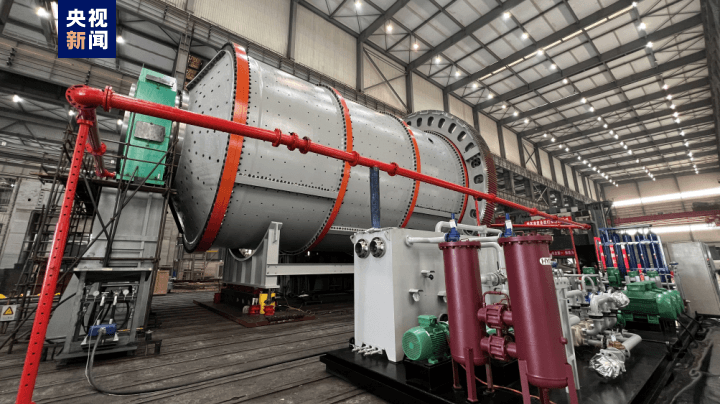
Ball Mill for Gold Ore Specifications
The figures below describe typical industry specifications for this class of equipment rather than a single fixed model. Use them to scope a requirement, then confirm exact figures against the supplied unit before purchase.
| Specification | Typical value |
|---|---|
| Shell diameter | 0.9–4.5 m for small to medium plants |
| Length to diameter ratio | 1.5:1 to 2:1 typical for overflow mills |
| Operating speed | 70–80% of critical speed |
| Ball charge | 30–40% of mill volume |
| Grinding media | Forged or cast steel balls, 25–100 mm |
| Motor power | 15–1,500 kW by size |
| Discharge type | Overflow or grate discharge |
| Product grind | 80% passing 75–150 µm |
| Liners | Rubber, steel or composite; wave or lifter profile |
| Slurry density | 65–75% solids in the mill |
| Media consumption | 0.3–1.2 kg per tonne of ore |
| Drive | Girth gear and pinion, or direct-coupled for small mills |
What a Ball Mill for Gold Ore Is Used For
- Primary and secondary grinding in gold plants
- Regrind duty on gravity or flotation concentrates
- Closed circuit grinding with hydrocyclones
- Pilot plant and metallurgical test work
Maintenance Schedule
Most premature failures in this equipment class trace back to a missed routine check rather than a design fault. The intervals below are a practical starting schedule; adjust them to your duty cycle and the manufacturer manual.
| Interval | Task |
|---|---|
| Every shift | Listen for liner bolt looseness and abnormal impact; check feed rate, slurry density and discharge condition. |
| Weekly | Top up grinding media to maintain charge level; check trunnion bearing lubrication and temperature. |
| Monthly | Liner thickness survey at fixed reference points; girth gear and pinion backlash and tooth-contact check. |
| Quarterly | Gearbox oil analysis; bolt torque audit on shell liners; drive alignment check. |
| On liner life | Full reline, typically every 6–18 months depending on ore abrasiveness and mill duty. |
Frequently Asked Questions
How do I size a ball mill for my gold ore?
From Bond Work Index test work on a representative sample, the target grind size and the throughput required. The Bond equation converts these into required power draw, which then sets mill dimensions. Sizing a mill from throughput alone, without a Work Index, is the most common cause of an undersized plant that never meets nameplate.
What is critical speed?
The rotational speed at which grinding media would centrifuge against the shell and stop tumbling, delivering no grinding. Mills operate at 70–80% of it. Running too slow produces cascading with little impact breakage; running too fast approaches centrifuging and also loses grinding efficiency.
Rubber or steel liners?
Rubber is lighter, quieter, faster to install and generally lasts well in fine grinding and less abrasive ore. Steel handles coarse feed and high-impact primary duty better. Composite liners combine a steel lifter with rubber plate and are increasingly the default for mid-size gold mills.
How much grinding media does a ball mill consume?
0.3–1.2 kg per tonne of ore, driven by ore abrasiveness, grind size and ball quality. Media is often the second largest consumable cost after power, so it belongs in the operating cost model from the start rather than being treated as a minor spare.
Can a ball mill run on a diesel generator?
Yes, but starting current is the constraint. A large mill motor started direct-on-line draws six to seven times full-load current, which can stall a marginally sized genset. Specify a soft starter or variable-frequency drive, and size the generator with substantial headroom.
Supply and Delivery Across Tanzania
Bart Mining supplies ball mill for gold ore and related equipment to mining operations throughout Tanzania, with primary coverage of the Lake Victoria Goldfields (Mwanza, Kahama, Geita, Shinyanga and Bukombe), alongside the Lupa Goldfields around Chunya and Mbeya, and delivery nationwide from Dar es Salaam.
Request a quotation
Need a ball mill for gold ore specified for your site?
Tell us your duty, depth or throughput and available power supply. We will come back with a specification and price, and flag anything on site that needs to change to make it work.